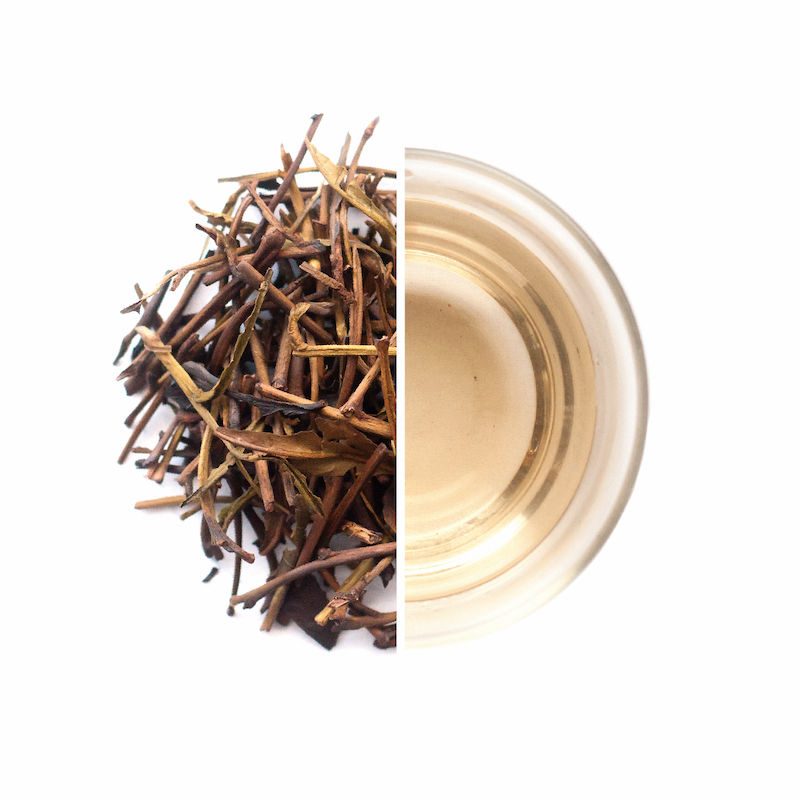
Suzume Kukicha
50 grams/1.8 oz
Wazuka, Kyoto Prefecture, Japan
Delicate, naturally sweet, and wonderfully approachable, Suzume Kukicha is a charming expression of one of Japan’s most beloved everyday teas. Crafted in the historic tea-growing village of Wazuka, Kyoto, this elegant kukicha is made from the tender stems, stalks, and leaf veins that are carefully separated during the refining of premium sencha. Rather than being a byproduct, these young stems are prized for their remarkable sweetness, smooth character, and naturally lower caffeine content, creating a tea that is both comforting and beautifully refined.
Named after the Japanese word suzume (sparrow), this tea reflects the cheerful simplicity and quiet beauty found in everyday moments. The young stems contain naturally high levels of L-theanine, contributing a mellow sweetness and soft umami while minimizing bitterness. Harvested in the early summer and lightly steamed using traditional Japanese methods, Suzume Kukicha offers an exceptionally balanced cup that is refreshing, nourishing, and easy to enjoy throughout the day.
Its pale green stems and delicate leaf fragments produce a luminous golden-green infusion with an inviting aroma of sweet hay, fresh bamboo, young spring vegetables, and wildflowers. The first sip is silky and naturally sweet, revealing notes of steamed edamame, sugar snap peas, sweet corn, fresh herbs, and subtle toasted grains. A gentle floral fragrance and delicate mineral finish complete the experience, leaving the palate refreshed without any harshness or lingering bitterness.
Suzume Kukicha is an ideal companion for relaxed afternoons, quiet mornings, or evenings when a soothing, low-caffeine tea is desired. Its naturally mellow profile makes it equally enjoyable for seasoned Japanese tea lovers and those just beginning to explore the world of fine green tea.
Tasting Notes
Aroma: Sweet hay, fresh bamboo, spring vegetables, delicate wildflowers
Flavor: Naturally sweet, light umami, steamed edamame, sugar snap peas, sweet corn, fresh herbs
Body: Light to Medium
Finish: Smooth, clean, lightly sweet, refreshing, and delicately floral
Brewing Guide (Western Style)
Tea: 2–3 grams (approximately 1 teaspoon) per 8 oz (240 ml) of water
Water Temperature: 170–175°F (77–80°C)
Steep Time: 1½–2 minutes
Using moderately cool water preserves the tea’s gentle sweetness and floral character while preventing unnecessary astringency.
Gongfu Cha Brewing
Suzume Kukicha offers a graceful progression through multiple short infusions, revealing fresh sweetness, delicate umami, and soft floral complexity with each steep.
Tea: 5 grams
Vessel: 100–120 ml Kyusu or Small Gaiwan
Water Temperature: 170–175°F (77–80°C)
Recommended Infusions
Rinse: Not recommended
1st Infusion: 30 seconds
2nd Infusion: 20 seconds
3rd Infusion: 30 seconds
4th Infusion: 45 seconds
5th Infusion: 60 seconds
Additional Infusions: Increase steep time by 15–20 seconds as desired.
Expected Steeps: 5–7 enjoyable infusions
Each infusion reveals a different expression of the tea—from soft sweetness and fresh green vegetables in the first cup to increasingly delicate notes of wildflowers, bamboo, sweet herbs, and gentle mineral elegance through the final steeps.
Tea Minister’s Serving Suggestion
Suzume Kukicha is an exceptionally versatile tea that can be enjoyed from morning through evening thanks to its naturally lower caffeine content. Pair it with fresh salads, steamed vegetables, sushi, grilled fish, rice dishes, mild cheeses, fresh fruit, roasted almonds, or delicate Japanese wagashi. It is also an excellent tea for mindful work, afternoon reading, journaling, quiet conversations, or simply taking a peaceful pause during the day.
“Like the humble sparrow that finds joy in each new day, Suzume Kukicha reminds us that life’s greatest moments are often the simplest. In every gentle cup, there is quiet comfort, natural sweetness, and an invitation to slow down and appreciate the beauty already surrounding us.”
